FiLiA’s Making Policy Work for Women campaign calls on policy makers to make policy feminist – to incorporate the differential impacts on women in the design and development of all policies and to use robust sex-disaggregated data and evidence and meaningfully engage with and involve women in policy making to identify those impacts. This article shows, using real case studies, why this is essential to make government policy more effective, efficient and equitable and to avoid the risks of legal challenges, costly redesigns and reputational damage.
Learn about the causes we are fighting for and how you can get involved.
Narrow your search or read everything.
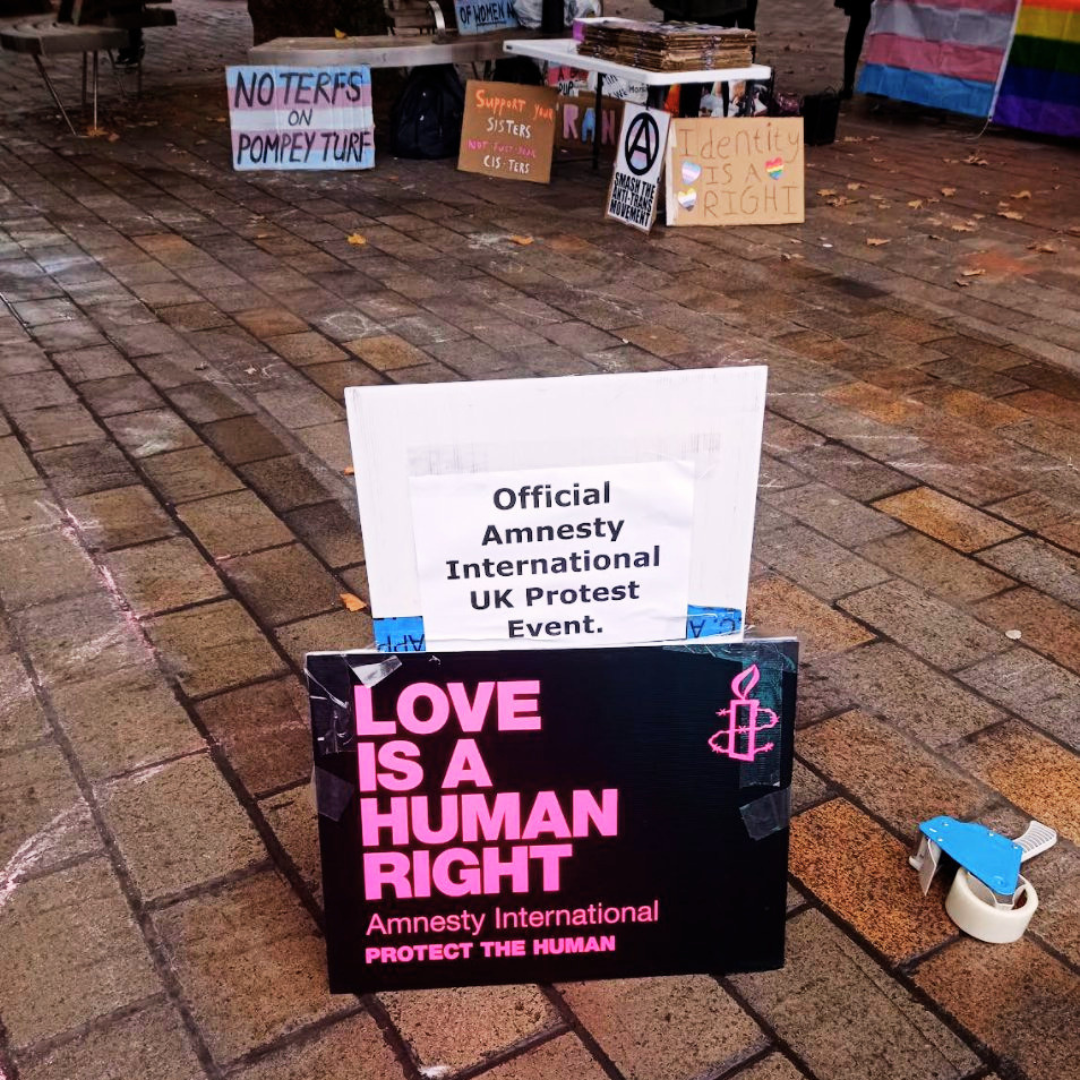
FiLiA has written to Amnesty International UK, following the inclusion of FiLiA in their (now withdrawn) report A Growing Threat - the Anti-Rights Movement in the UK. Alongside many other organisations targeted in this report, we have asked for the evidence and decision-making process which led to their conclusions. Where they will find no evidence, we expect an explanation, apology and formal retraction of the statement. We have also asked for a meeting and a public commitment to cease referring to Women's rights organisations and campaigners as ‘anti-rights’.
It is over a year since we celebrated an historic victory for women in For Women Scotland v The Scottish Ministers. This blog reviews the most recent misguided attempts by Britain’s trade unions to undermine the Equality Act 2010 and argues why working-class women must ‘take back control’ of their own trade union movement.
On 21st May, Bridget Phillipson finally laid the EHRC Code of Practice before Parliament, after a delay of more than eight months. Since then, several unions, along with the Trades Union Congress and Scottish Trades Union Congress, have doubled down on their opposition to the Supreme Court ruling and issued statements to that effect.
The exposure of widespread drugging and rape within intimate relationships has shattered a comforting myth: that sexual violence is primarily committed by strangers, predators lurking outside the home or a small number of ‘monsters’ unlike the rest of society. Cases such as Gisèle Pelicot forced public attention on to a far more disturbing reality: that ordinary, socially-integrated men can – and do – commit extreme violence against women, often with the support, encouragement or silent complicity of other men.
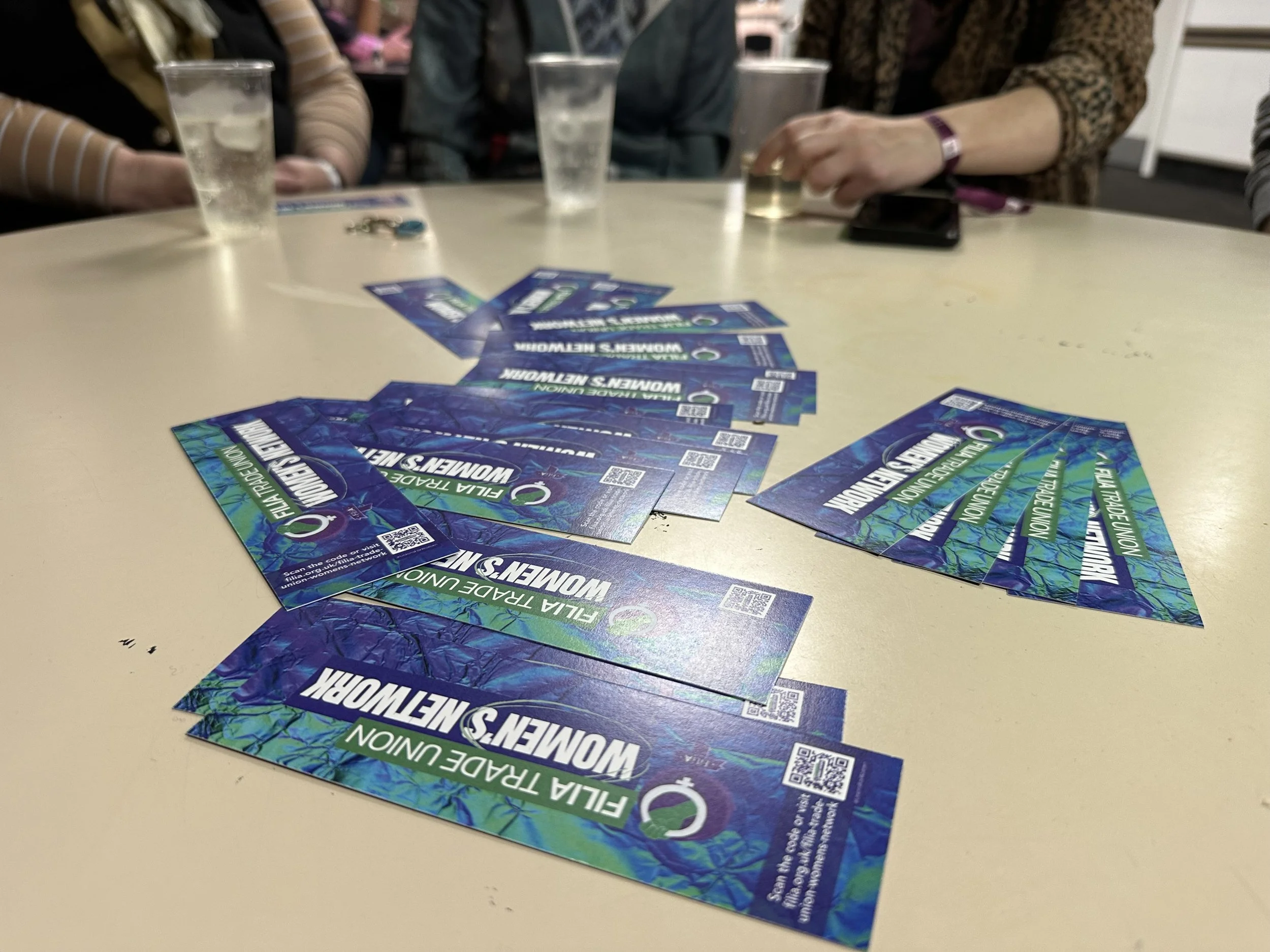
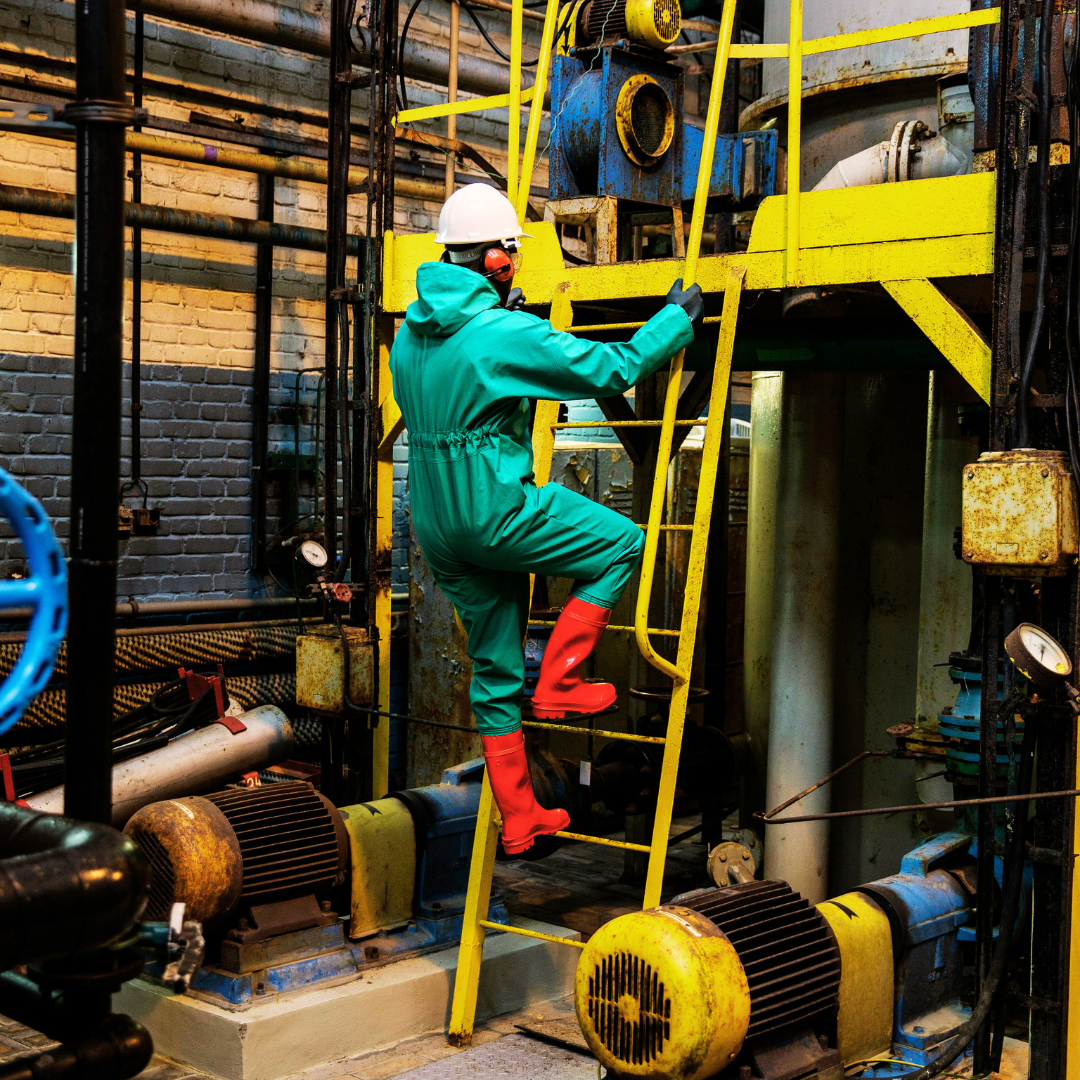
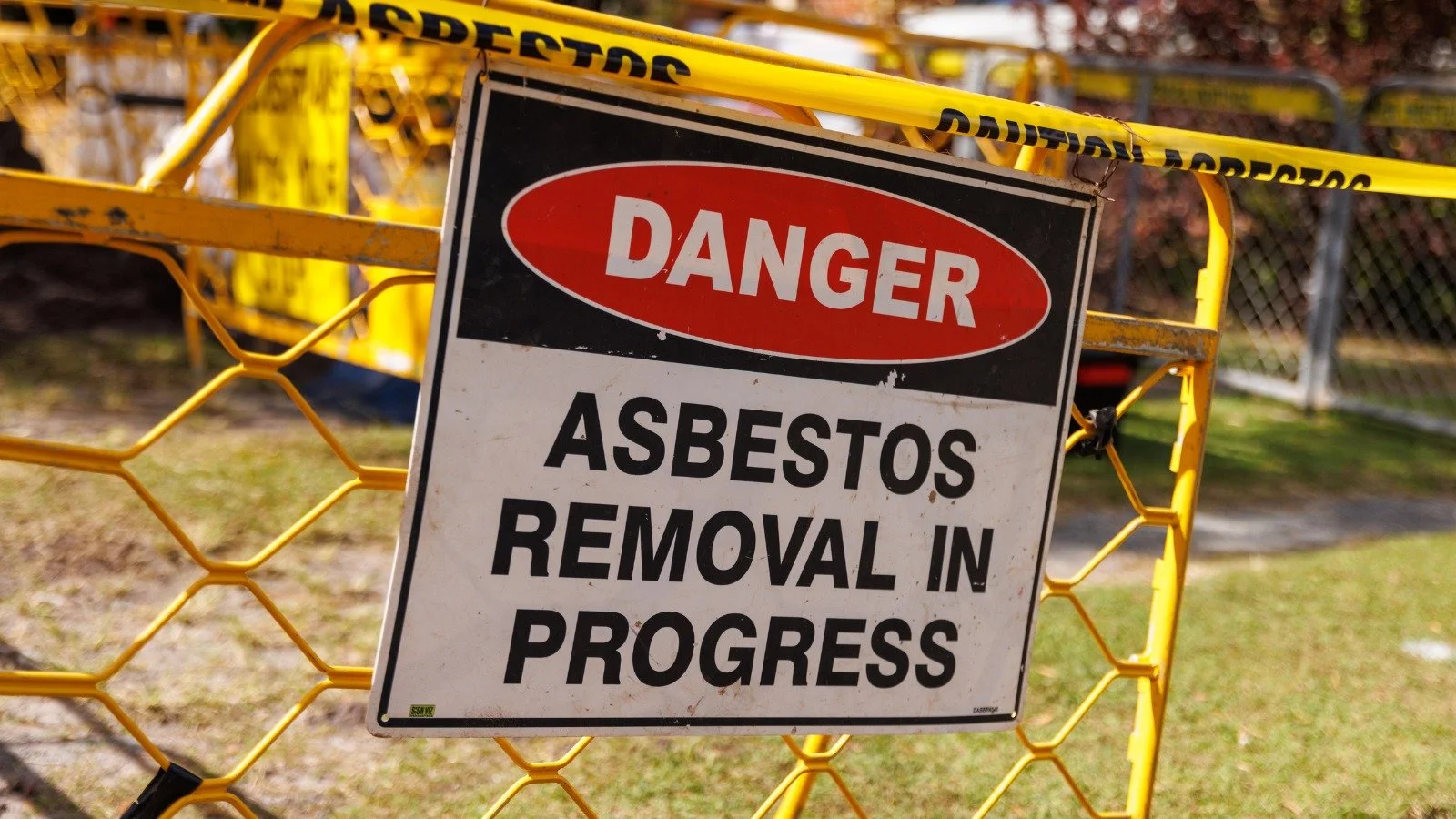
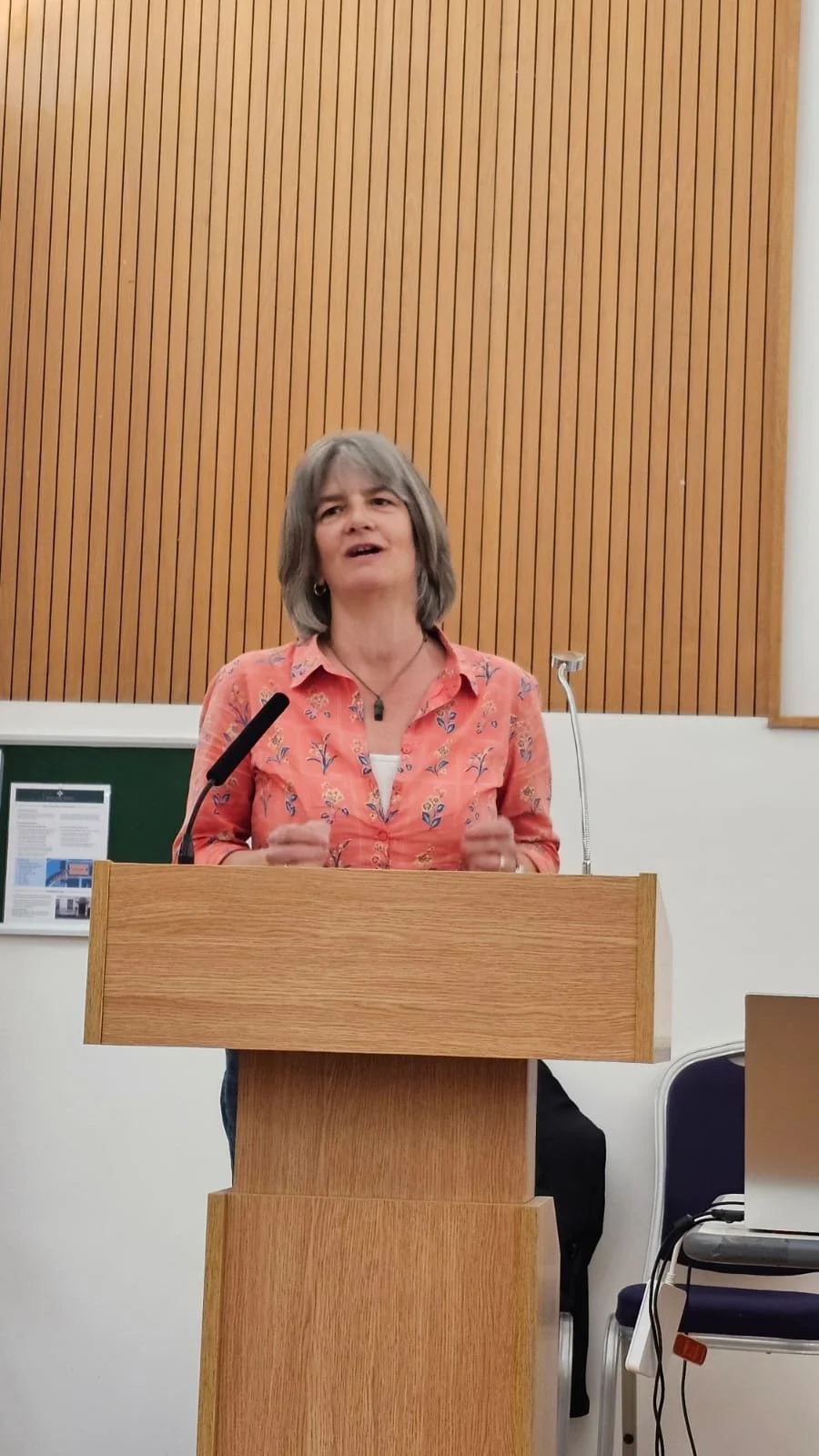
Asbestos is killing more women every year. But evidence shows that many still aren’t aware of the disease and how it can be acquired at work. This blog is based on a speech given by Susan Aitouaziz for the FiLiA Trade Union Women’s Network Health & Safety is a Women’s Issue webinar. Held on 26th March 2026, in preparation for International Workers’ Memorial Day on 26th April 2026.
If you want to understand what real change looks like in practice, this account from Paris is a powerful place to start. It brings together survivor voices, political leadership and frontline activism to show how the Equality Model can shift both law and culture, holding men accountable while supporting women to exit prostitution. More than a reflection, it is an urgent reminder that abolition is not just possible but already happening, and that the UK has much to learn from it.
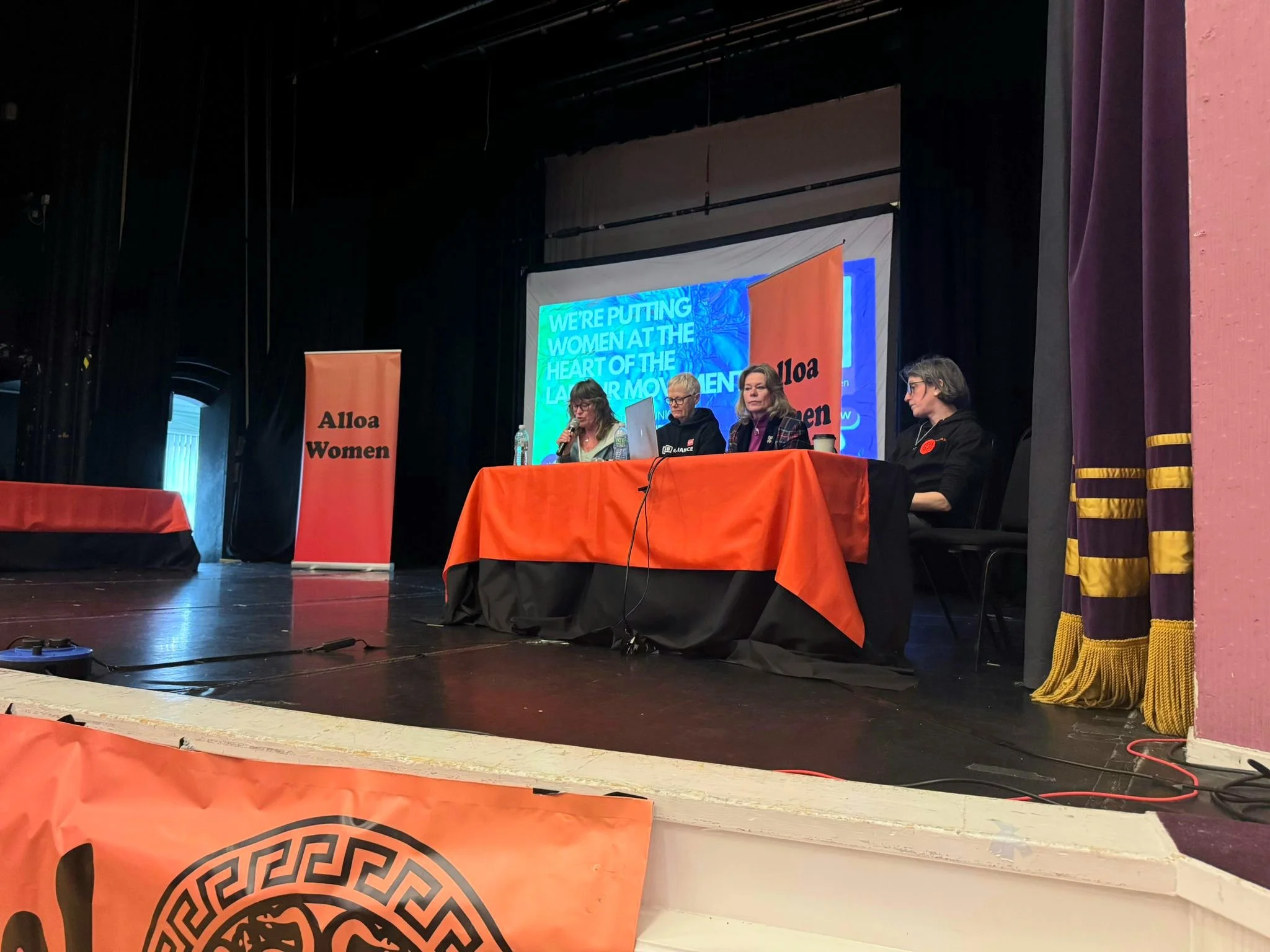
The labour movement sees itself as the champion of women’s rights but continues to be complicit in our oppression. Women’s participation is constrained and subject to conditions that other oppressed groups do not face. By tackling the sex and misogyny in its midst, it would not only demonstrate its commitment to women's rights but build its own strength. The labour movement needs women: without us it will fail. This is the text of a speech made by Kiri Tunks for FiLiA Trade Union Women’s Network, as part of a women-only panel, at the Morning Star Conference '1926 to 2026 – Organised Labour 100 Years from the General Strike'.
On 17th March, Hannah Shead, FiLiA Women First project Lead, was invited to talk on behalf of FiLiA Women First at the All-Party Parliamentary Group on Commercial Sexual Exploitation, chaired by Tonia Antoniazzi MP, with secretariat support provided by UK Feminista. This blog is about this meeting, where Hannah spoke about how prostitution is male violence.
Written by Hannah Shead, FiLiA Women First Project Lead, this blog reflects on the Unbuyable debate that took place in Scottish Parliament and is a summary of the key issues and outcome. We call on local authorities to work with us to use our Women First audit tool. We call on policy makers to listen to the voices of survivors of the sex trade, not just those with the loudest platforms.
When women age we become increasingly invisible in our culture, and this applies even more so to lesbians. This was a short speech given as part of the lesbian stream of workshops and events at FiLiA 2025. It speaks about our identities as older lesbians, some of the issues we are confronted by and the importance of lesbian community and of consciousness-raising groups as a way of exploring the issues of old age and the sisterhood we need to support one another through the difficulties and the joys.
FiLiA has a lengthy history in highlighting the harms of surrogacy and egg donation on women and children, and also in supporting action and activism to address this violation of women's human rights. The FiLiA Women's Assembly, a growing network of women across the UK, recently arranged a focus group in order to respond to a new consultation on surrogacy. A consultation which signalled that the threat of surrogacy law reform, with a potential relaxation in the laws which govern this exploitative practice, persists. There is, however, a powerful, grassroots movement of women in FiLiA Women's Assembly mobilising resistance.
The International Day for the Elimination of Violence Against Women and the 16 Days of Activism are not symbolic hashtags or polite reminders. They are part of a long feminist tradition of refusing silence, refusing minimisation and refusing the global indifference that too often greets male violence against women and girls (MVAWG). These moments matter because they amplify the truth that patriarchy works overtime to obscure: that MVAWG is not natural, inevitable or random, it is political.
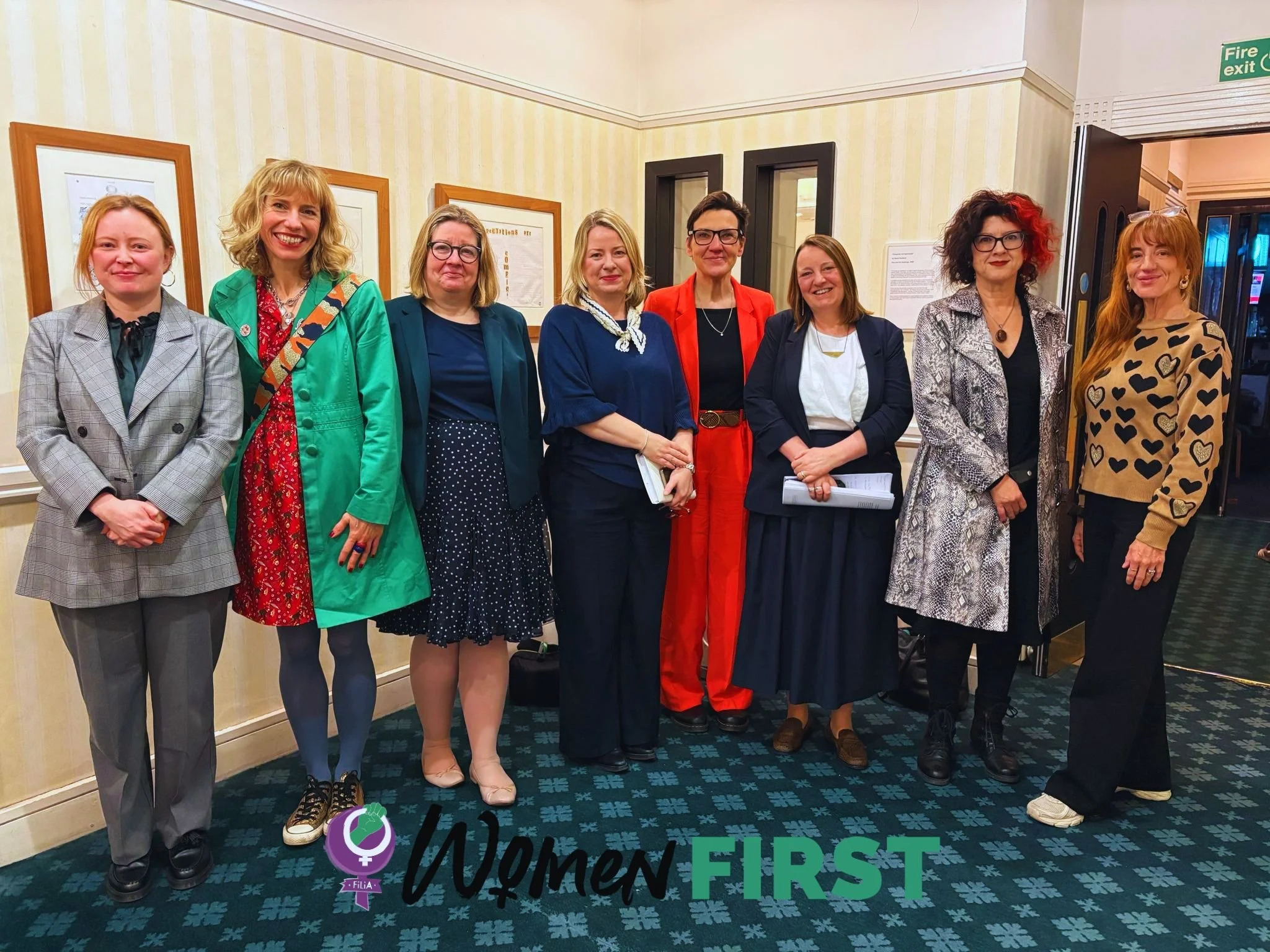
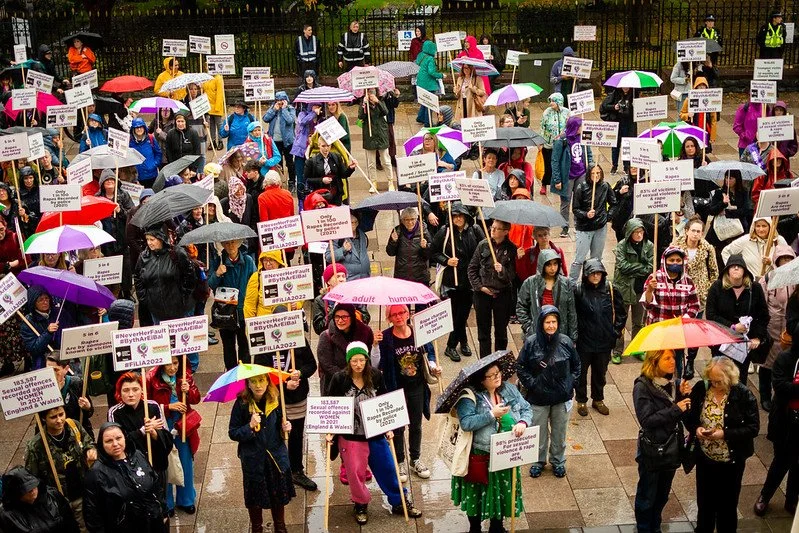
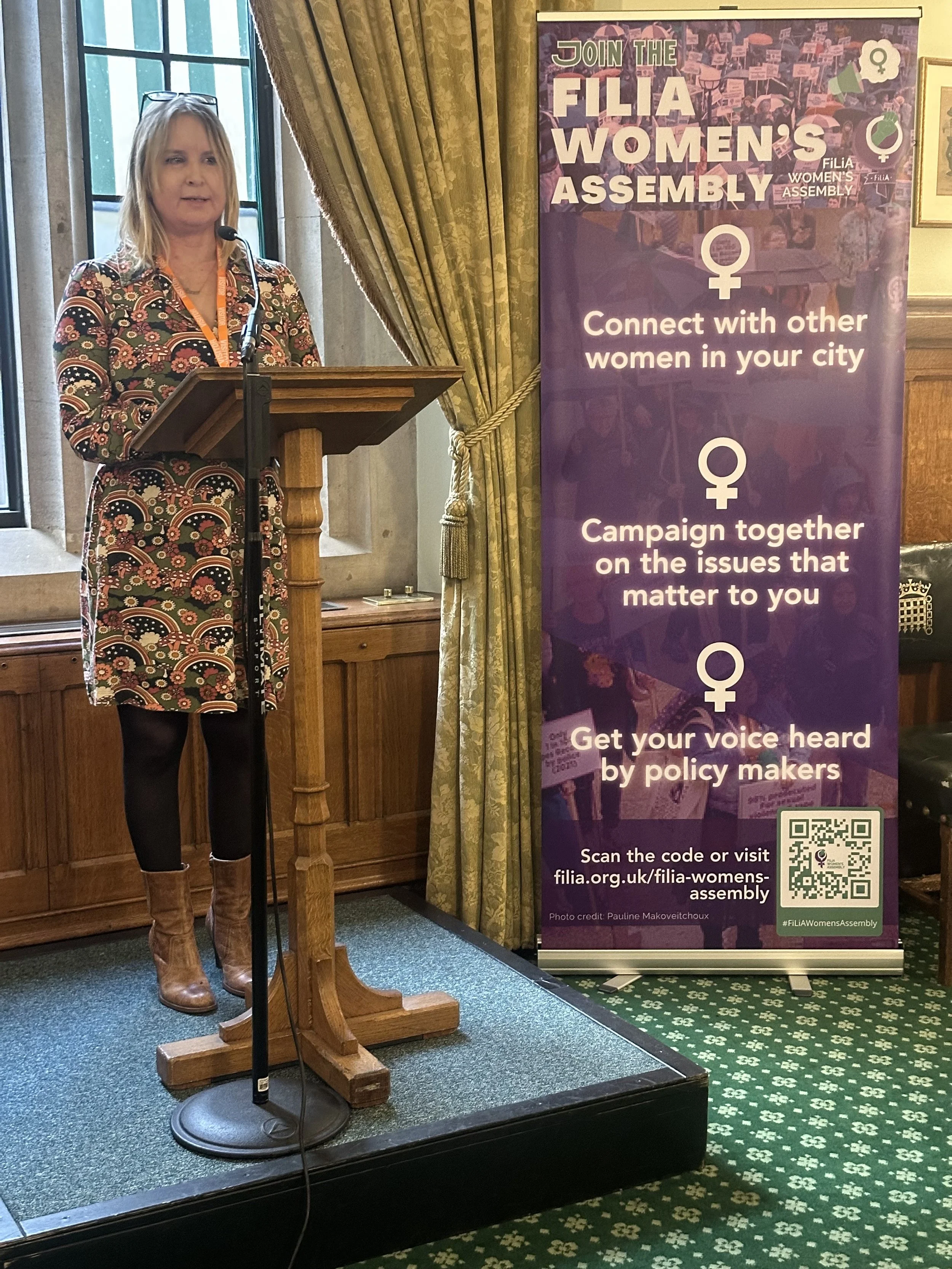
The FiLiA Campaigns and Policy team are pleased to have formally launched the FiLiA Women's Assembly (FWA) and our new report, Making Policy Work for Women, with an event in Parliament on Wednesday 19th November 2025. We are very grateful to Tonia Antoniazzi MP for being our Parliamentary sponsor for this event. She, Fran, a member of the FiLiA Women’s Assembly, and Kruti, FiLiA’s Director of Policy, all gave short speeches at the event and we are proud to share them here.
Rahila Gupta and Beatrix Campbell, two feminist titans whose activism and writing spans a century between them, have written an urgent dispatch from the frontlines of a war, one seemingly without end. The US radical feminist, Kate Millett, once wrote: ‘Perhaps patriarchy's greatest psychological weapon is simply its universality and longevity... Patriarchy has a still more tenacious or powerful hold through its successful habit of passing itself off as nature.’ (Sexual Politics, 1970). As much as feminists have disputed the naturalisation of that oppression, we have to contend with its persistence.
But then, everything stopped.
Two years into my studies, the Taliban returned to power. With a few cruel words, they closed the doors of every university to women. My faculty, once a symbol of hope and purpose, became a silent place where girls were no longer welcome.
They did not shoot me. They did not stab me, but they killed something inside me.
Because when someone takes your education, your purpose, your future, they are not just stealing your rights.
They are erasing your existence. But I am not the only one. I am just one example of more than 20 million girls and women in Afghanistan who are now banned from going to university, entering a park, sitting in a restaurant, or even walking freely in an open space to breathe.
In 2016, gender still meant the socially constructed gender stereotypes and gender roles. They are the root cause of misogyny and male violence against women and girls. They impact access to justice, safety, health care and citizenship. It is because of this that building critical analysis skills around gender was key to education as a way to prevent practices such as (but not limited to) child sexual abuse and exploitation, sexual violence, domestic abuse and female genital mutilation (FGM). My campaign was in memory of a girl who via gender stereotypes of sexual objectification was raped and murdered. The whole point was to make sure girls were safer.
It is remarkable that a women such as Florence Canning could disappear without a trace after devoting nearly ten years of her life campaigning for the vote.
There is no memorial to Florence in Brighton, indeed, there is nothing to remember Florence anywhere, apart from her grave in the churchyard of St Paul’s Church, Tupsley, Hereford, and even that was in need of restoration prior to a successful Crowdfunder in spring 2023.
To Saudi Arabia’s allies in London and Washington: stop treating our lives like a line item on a trade deal. From Trump’s Riyadh photo-ops to his latest pledge of ‘no more lectures on how to live,’ the message is clear: authoritarianism is culture, and repression is tradition—as long as the oil keeps flowing. And from Keir Starmer’s silence, it seems Britain agrees. The economy comes first, human rights second. We’re not asking for heroism. We’re asking you to stop hiding behind diplomacy while our rights are crushed. If you can put human rights on the table when it's Russia or Iran, you can do the same with Saudi Arabia. If you can leverage deals for weapons, oil, and football, you can do it for freedom.
We left the day in awe of Ash and her team in pushing forward with this important bill. We will continue to support it. We know that the more we move towards positive change, the louder the voices of opponents will be. We will continue to amplify the voices of survivors and encourage as many women as possible to support this bill and bring change.
Many of the women we have spoken to feel frustrated with decision makers who seem blind to the female perspective or the impact their work has on women.
Behind our laws, practice and provision, workplace policies or budget cuts, there’s often an invisible bias ‒ one that disproportionately adversely affects women.
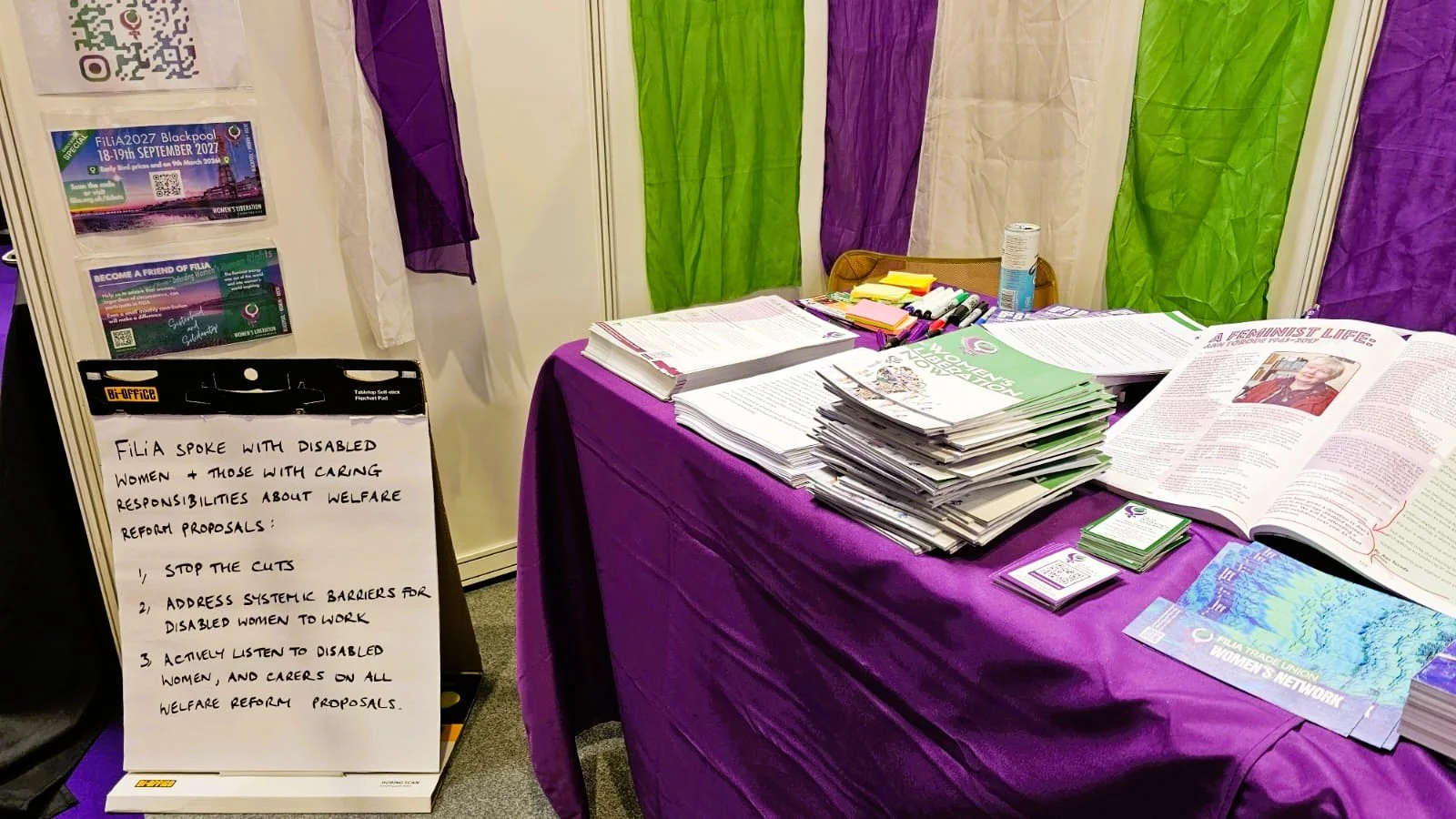
And the impact is felt even harder by those at the intersections of race, disability, class and migration status. Too often the needs of women with disabilities, ethnic minority and migrant women, lesbians and women living in poverty are ignored, their voices sidelined, and their struggles compounded by policies that never considered them in the first place.
Then once they've grown into women, the medical model dismisses women as exaggerating pain ‒ simply walking hysterical hormone sacks fainting at the slightest breeze.
Maybe they grow up and find someone to love and support them? But abuse and exploitation of disabled women figures show they are more vulnerable and have fewer services available for them. There are less shelters; they are less able to just quickly jump on a free train and escape and risk losing the services and medication they need.