Learn about the causes we are fighting for and how you can get involved.

Narrow your search or read everything.

I want to learn about
Choose format
Reset filter
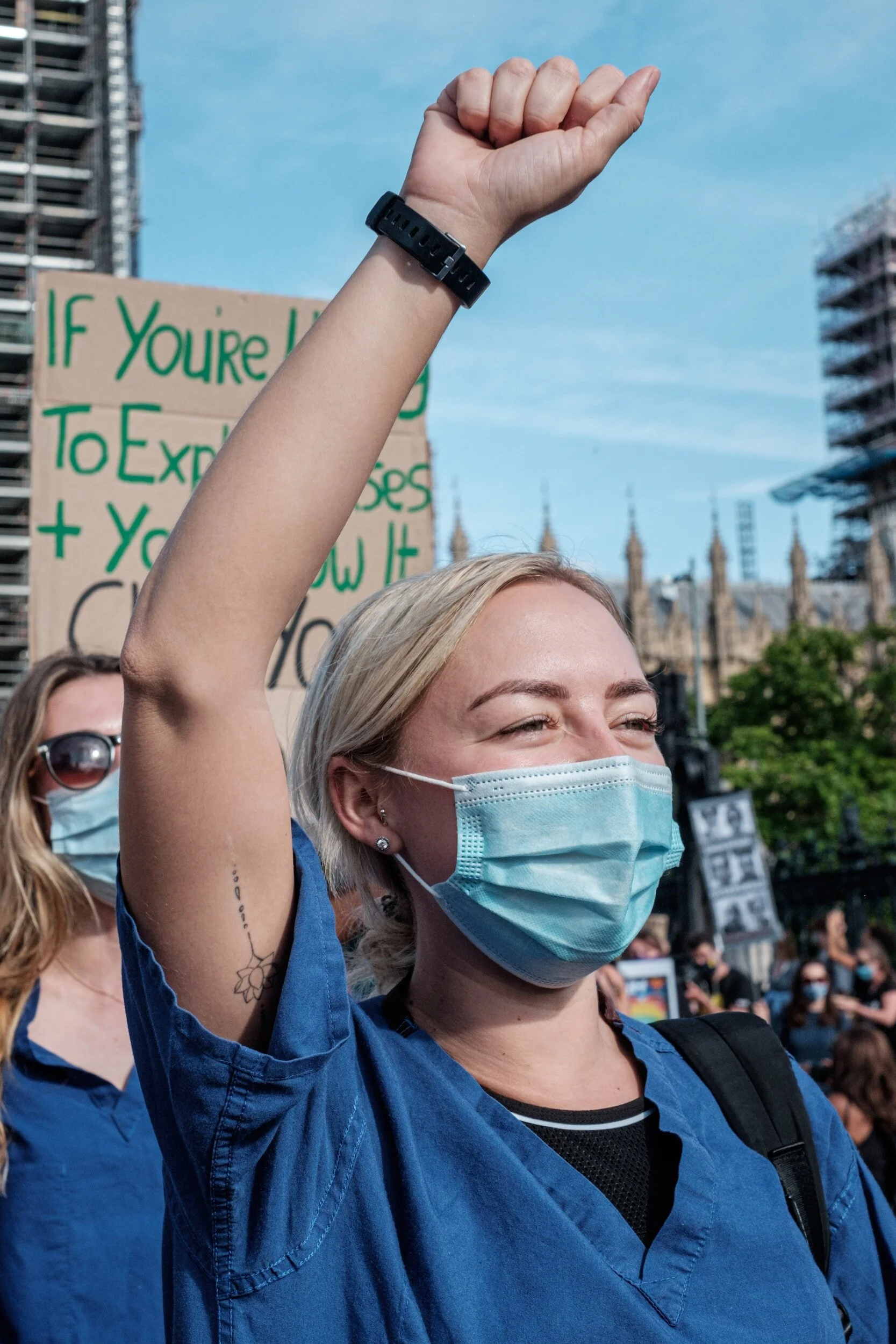
Trade Unions Reply to Women on TUC Motion 17

Union members have been writing to the unions to ask if they supported the recent TUC Motion 17 on the EHRC Code and Supreme Court ruling on the Equality Act. FiLiA Trade Union Women’s Network suggested five key questions women should ask their unions about this and their position on women's sex-based rights. We have now received responses sent by four unions: Unison, Unite, NEU and NASUWT which we publish here. We are also sharing some replies sent back to these unions by women who are unhappy with the answers they received.
TUC Motion 17 and Women’s Rights

Union members have been writing to their general secretaries to ask them about their union’s position on the recent TUC Motion 17. Unions are starting to respond to these letters and we will be sharing their responses soon. However, women have told us they want to discuss the implications of this motion, and what it means for women’s rights, with other members of their unions and in their branches, so the FiLiA Trade Union Women’s Network have produced this model motion for women to take to their branch meetings.

Take Action on TUC Motion 17!

Delegates at the Trades Union Congress this week voted to support a motion committing the organisation (and by implication its affiliate unions) to campaign against the EHRC code, which provides guidance on the Equality Act for services, organisations and associations. The motion proposes a serious and substantial change to the legal rights of women and girls and yet no mention is made of this in the motion. The FiLiA Trade Union Women’s Network has produced a short model letter for union members to send to General Secretaries, which asks five key questions. If you are a member of a union, please consider sending this letter to your General Secretary. Just copy and paste the text and send it to your General Secretary either by email or post.

Debating the EHRC Code of Practice at This Year’s TUC Congress

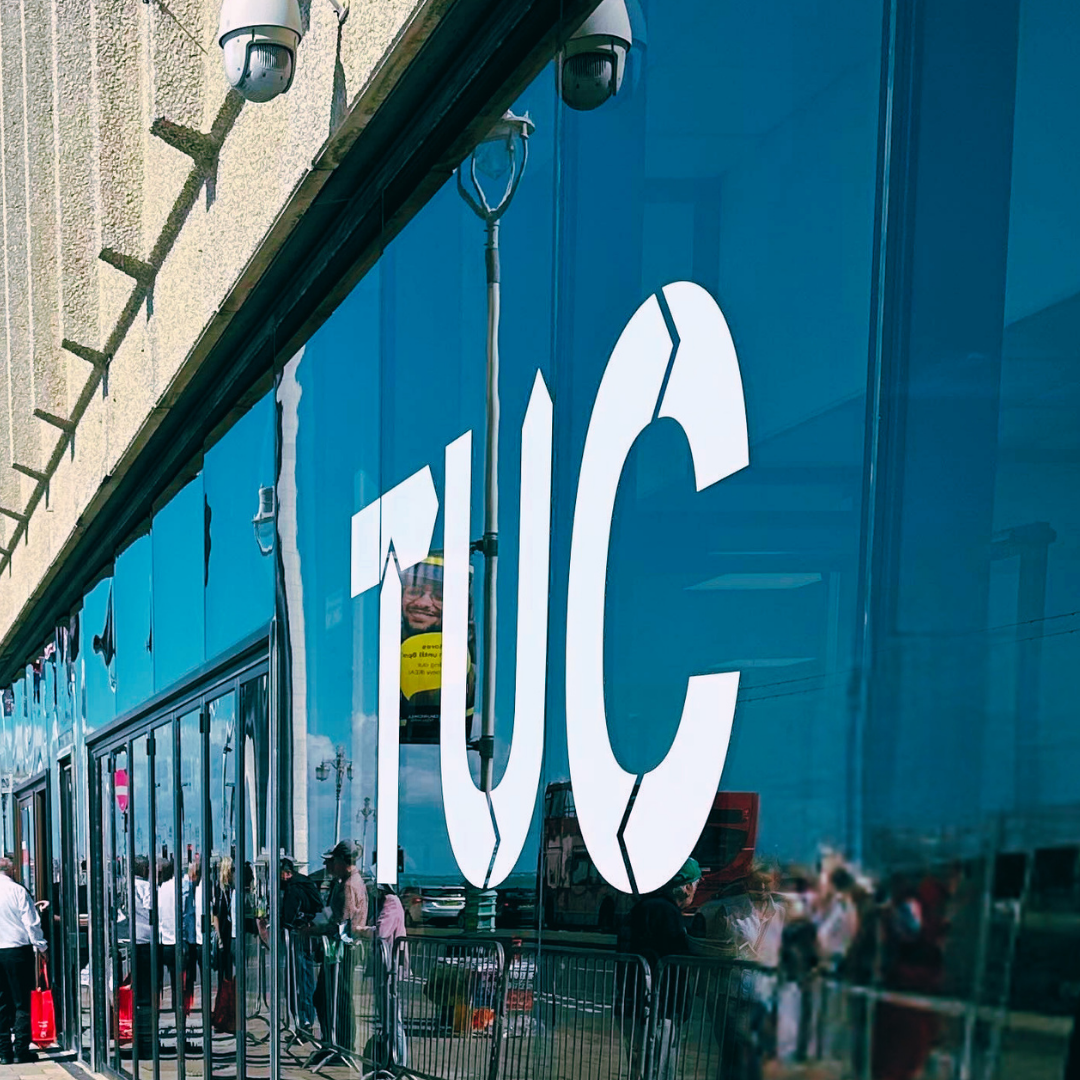
This year’s TUC Congress takes place in Brighton between 13-16th September. On the agenda is a motion submitted by the TUC LGBT+ Conference, opposing the EHRC Code of Practice. The motion raises important issues for the majority female membership of trade unions, and for lesbian and gay trade union members.  In this blog we present the motion, along with some questions that TUC delegates may wish to raise at their delegation meetings or in their local branches and regional/national assemblies.

FiLiA Calls on UNISON, USDAW, ASLEF and The Musicians’ Union to Change Stance on Labour Women’s Conference

Four unions are boycotting Labour Women's Conference because it is adhering to the law on women's spaces. The FiLiA Trade Union Women’s Network has sent this letter to the General Secretaries of each union to express our incredulity at this stance. We are also publishing it here.

Trade Unions and the EHRC Code of Practice

It is over a year since we celebrated an historic victory for women in For Women Scotland v The Scottish Ministers. This blog reviews the most recent misguided attempts by Britain’s trade unions to undermine the Equality Act 2010 and argues why working-class women must ‘take back control’ of their own trade union movement.

On 21st May, Bridget Phillipson finally laid the EHRC Code of Practice before Parliament, after a delay of more than eight months. Since then, several unions, along with the Trades Union Congress and Scottish Trades Union Congress, have doubled down on their opposition to the Supreme Court ruling and issued statements to that effect.

The Invisible Killer: Asbestos and the Dangers for Women in the Workplace

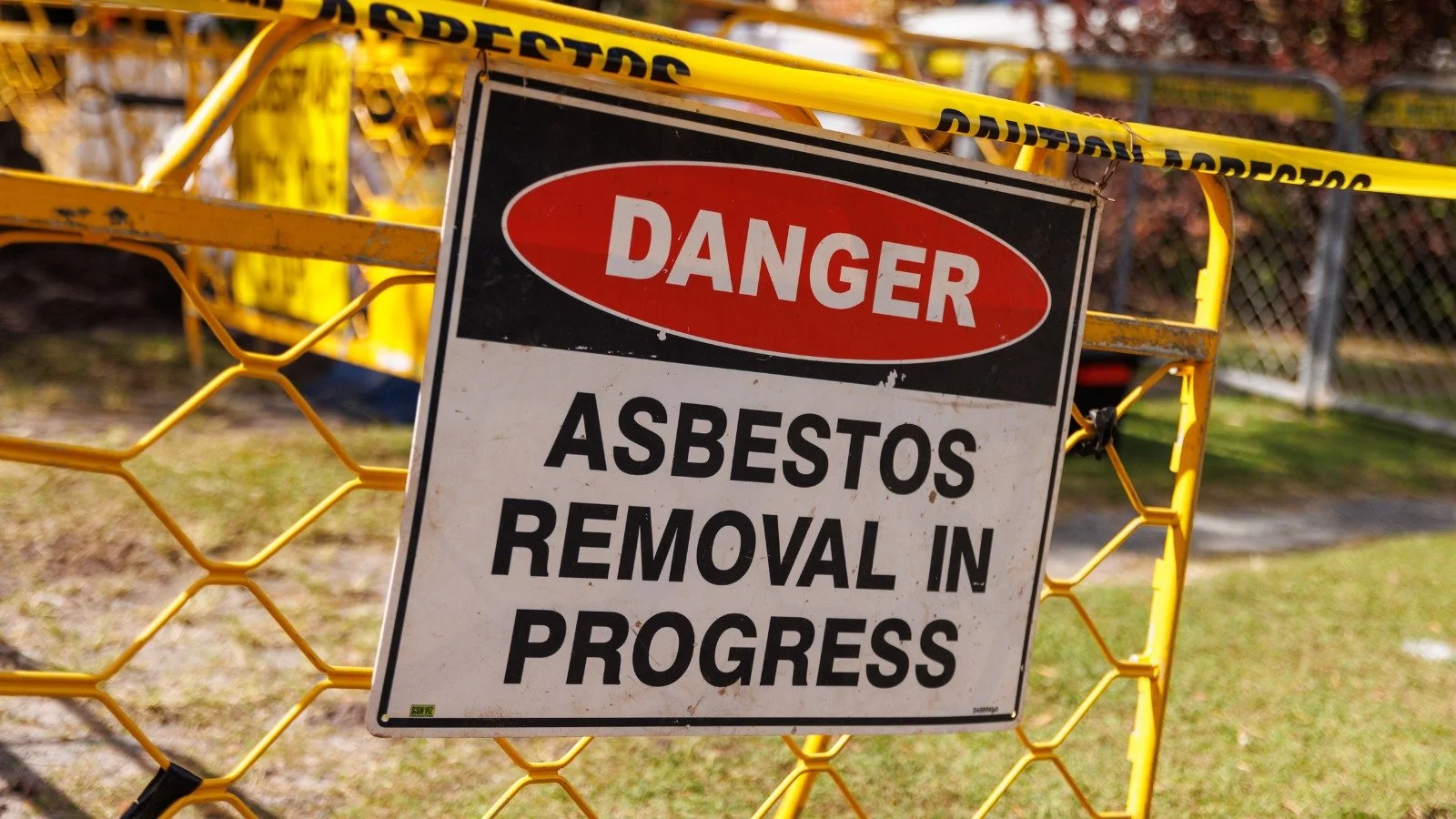
Asbestos is killing more women every year. But evidence shows that many still aren’t aware of the disease and how it can be acquired at work. This blog is based on a speech given by Susan Aitouaziz for the FiLiA Trade Union Women’s Network Health & Safety is a Women’s Issue webinar. Held on 26th March 2026, in preparation for International Workers’ Memorial Day on 26th April 2026.

Holding up Half the Sky – Women and the Labour Movement

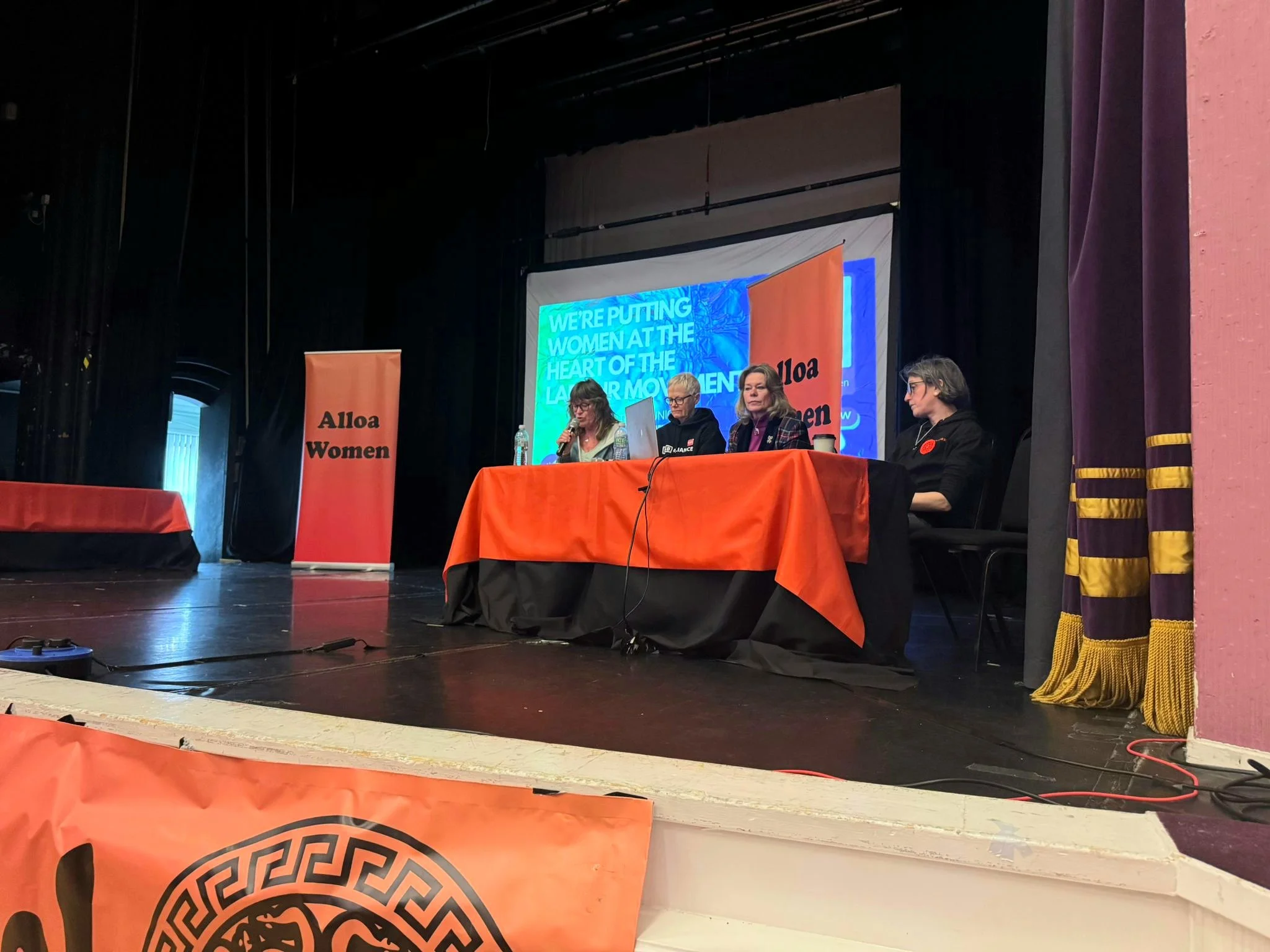
The labour movement sees itself as the champion of women’s rights but continues to be complicit in our oppression. Women’s participation is constrained and subject to conditions that other oppressed groups do not face. By tackling the sex and misogyny in its midst, it would not only demonstrate its commitment to women's rights but build its own strength. The labour movement needs women: without us it will fail. This is the text of a speech made by Kiri Tunks for FiLiA Trade Union Women’s Network, as part of a women-only panel, at the Morning Star Conference '1926 to 2026 – Organised Labour 100 Years from the General Strike'.

Equality Impact Assessment: An Underrated Tool for Lasting Feminist Change!

Many of the women we have spoken to feel frustrated with decision makers who seem blind to the female perspective or the impact their work has on women.

Behind our laws, practice and provision, workplace policies or budget cuts, there’s often an invisible bias ‒ one that disproportionately adversely affects women.

And the impact is felt even harder by those at the intersections of race, disability, class and migration status. Too often the needs of women with disabilities, ethnic minority and migrant women, lesbians and women living in poverty are ignored, their voices sidelined, and their struggles compounded by policies that never considered them in the first place.

FiLiA’s view on the planned cuts to disability benefits

Then once they've grown into women, the medical model dismisses women as exaggerating pain ‒ simply walking hysterical hormone sacks fainting at the slightest breeze. 

Maybe they grow up and find someone to love and support them? But abuse and exploitation of disabled women figures show they are more vulnerable and have fewer services available for them. There are less shelters; they are less able to just quickly jump on a free train and escape and risk losing the services and medication they need. 

Marching for Our Sisters - Million Women Rise

As FiLiA volunteers, our group consisted of women from different parts of the world. Some of us grew up believing that sex-based violence was mainly an African issue, shaped by the struggles in our home countries. The UK, after all, prides itself on human rights and women’s rights. But as we stood among thousands of women, each carrying their own stories of pain and survival, we realised a harsh truth: violence against women knows no borders.

Sex and Gender in Trump’s America

We all know how we got here. The failure of the left to address the gender identity activism gave this extraordinary open goal to the right. It was all predictable; we predicted it. Now we’re here.

This does not absolve us from thinking critically about the harmful consequences of working with Christian Right groups, including the ADF and the Heritage Foundation, which are coalition partners in Project 2025.

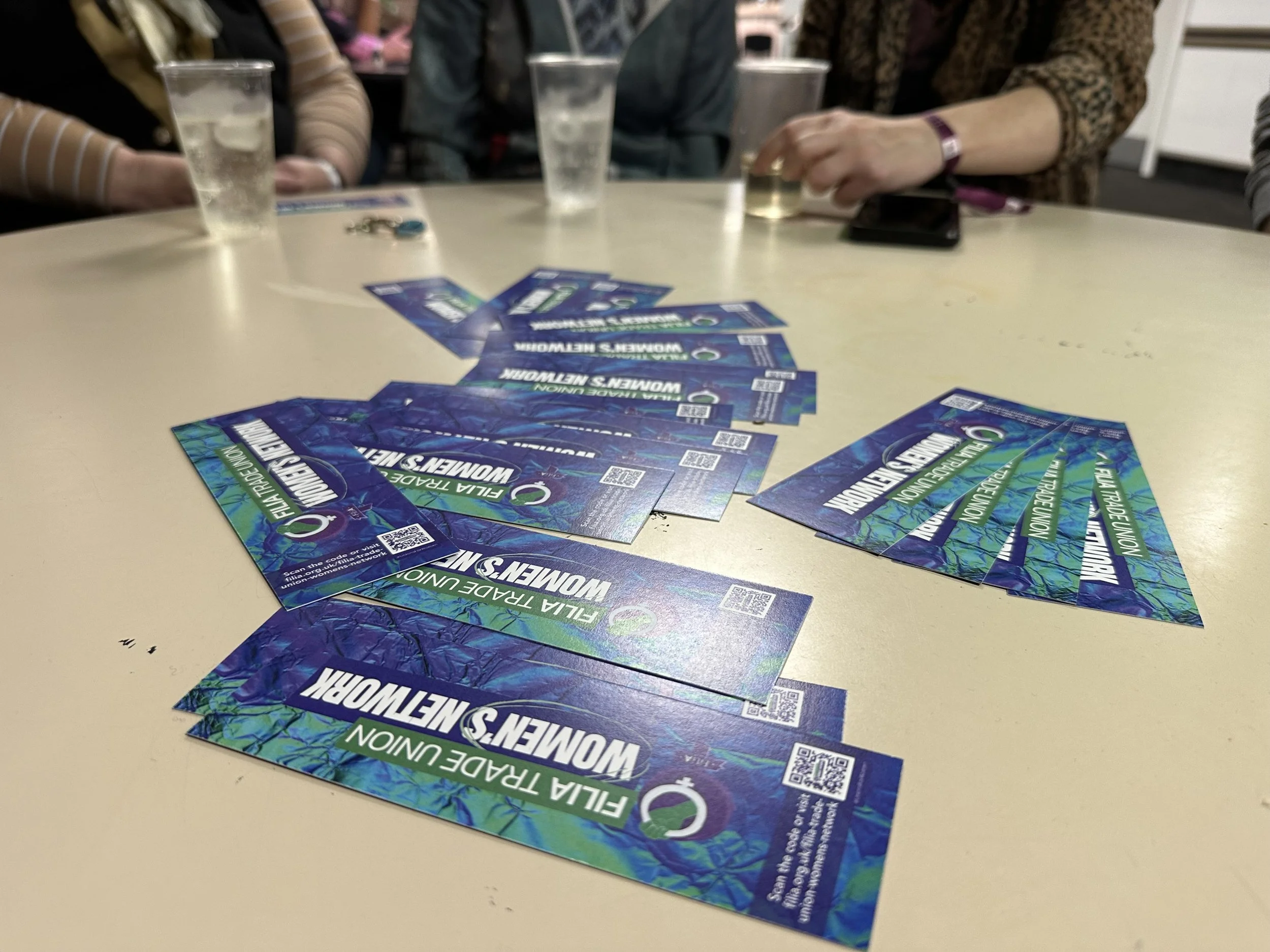
FiLiA Trade Union Women’s Network - Join us!

Women have been key to the success of the trade union, and they have reaped huge benefits from the collective successes of the wider labour movement. However, too often, the movement has let women down.

We want to change that.

Join the FiLiA Trade Union Women's Network and help us make unions work for women.

Unions and the Labour Party for Women - Kiri Tunks

Kiri Tunks is a veteran trade union and women's rights activist @‌kiritunks

This blog is based on a speech made by Kiri Tunks on behalf of the FiLiA Trade Union Project at a Labour Women’s Declaration fringe at the 2024 Labour Party Conference in Liverpool. In it, Kiri argues that women need to be at the head and the heart of the labour and trade union movement.

Unions for Women by Kiri Tunks

Women are rightly critical of trade unions. Sexism and misogyny abounds and Women raising concerns about their sex-based rights have been, at best, ignored and at worst vilified and attacked. Many Women now feel that unions are working in opposition to our rights. But trade unions remain a powerful force within UK society and Women make up the majority of the membership. Can we make the union movement work for us?

Reflections on the 4th World Congress for the Abolition of Prostitution

This piece combines the reflections of FiLiA’s Anti-Prostitution Lead Luba Fein and FiLiA’s Spokeswoman Raquel Rosario Sánchez after participating in the 4 th World Congress to Abolish Prostitution. The Congress was organised by CAP International, Canadian-based organisation La Cles, Breaking Free, the Vancouver Rape Relief and Women’s Shelter and the EVA Centre. At the end of the Congress, the organisations launched the Montreal’s Call for the Abolition of Prostitution, which is signed by more than 60 organisations.

The first female president of Mexico

Mexican women and men went to their polling stations, the overwhelming majority to vote for a woman to be the next President of Mexico. A woman in charge of a State, which has miserably failed, so far, to guarantee a dignified life for women. Despite national laws, and international treaties, in Mexico women are not free from violence. Every day, the lives of over 64.5 million women in this country are plagued by femicide, and all kinds of violence: sexual, political, economic, reproductive, institutional, symbolic and structural.


Interview with Yasmin Morais, founder of project Vulva Negra

Yasmin Morais is the founder of Vulva Negra, the first materialist feminist project ‘born from the desire to unite the materialist perspective of radical feminism with the narratives of black theorists and the lived experience of black Brazilian and Afro-Latin women.’ Yasmin travels around Brazil and the world with her itinerant lectures at the ‘Encontro Feminista Vulva Negra’ (Vulva Negra Feminist Meeting).

In this interview, Andreia Nobre talks to Yasmin Morais about the many pressing issues currently affecting Brazilian women, including femicide, domestic violence and the plight of black and brown women in a Latin American country, despite the country having been under a leftist government since Luiz Inácio Lula da Silva was elected for office in 2022 for the third time.

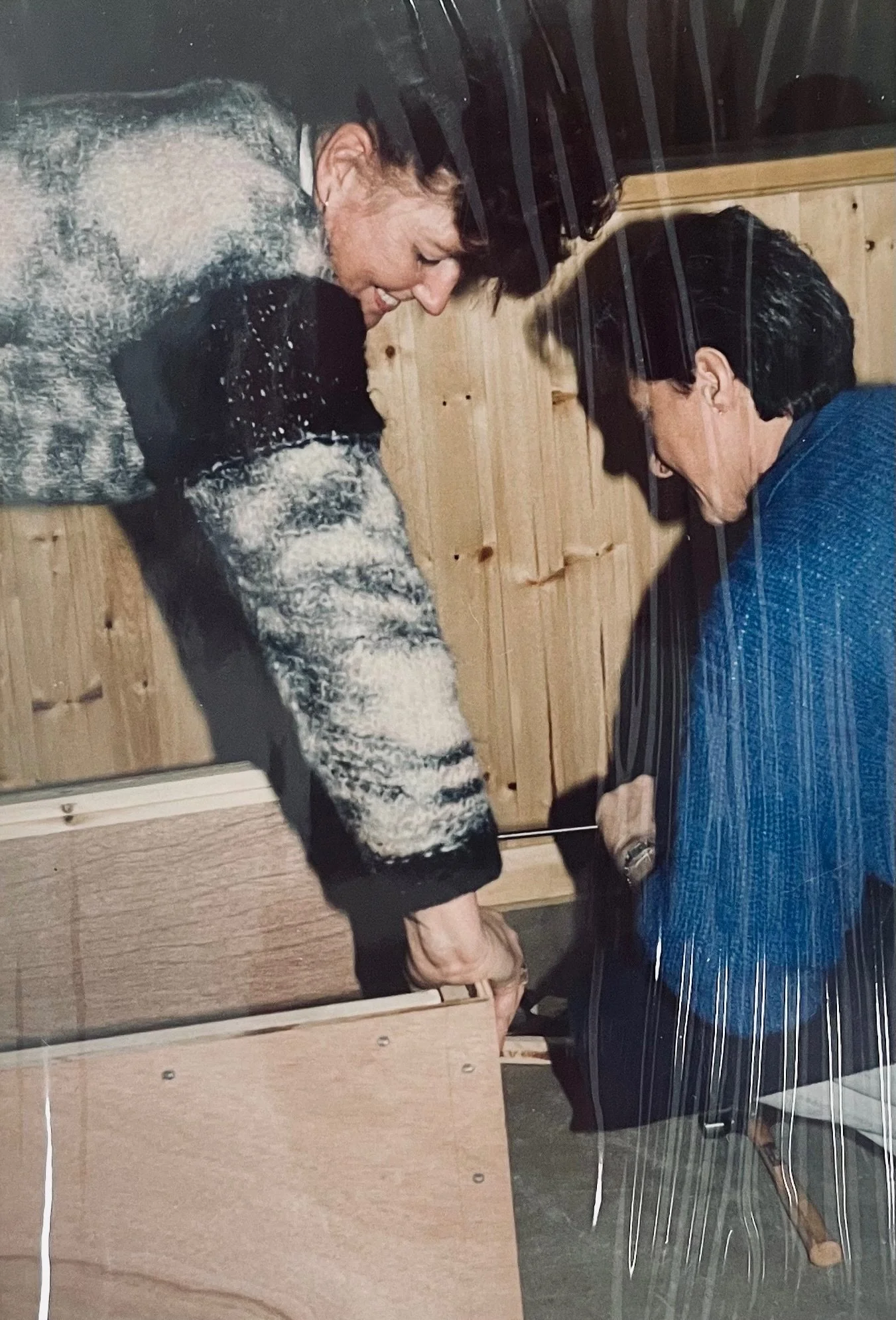
Women Learning Manual Skills

On UN International Day of Education, Rose Rickford shares what she has learnt from researching women's skills sharing projects of 1970s-90s Britain. Across the world, women are still systematically excluded from learning and using a whole range of manual skills. Even in countries with relatively high levels of educational equity, vocational training is still almost entirely sex-segregated. While young women learn care and beauty skills, young men learn construction and manufacturing skills. When it comes to getting work, jobs in skills that men learn are much better paid, so this is an important issue for women's equality. Part of the solution is of course to pay higher wages for the skills that women train in. But another part is to increase women’s participation in skills they are currently excluded from. In the 1970s-90s, women set up their own courses and projects to teach one another these skills. For those who took part, it was a doorway to a world they were previously locked out from.

Working women in struggle

This article highlights the importance of trade unions to Women throughout history up to the present day. The right to strike is being repressed by regressive legislation called the Minimum Service Levels bill and women need to organise within their unions to fight back

How the ISS Workers Won

Our ISS striking women are showing every worker how real trade unionism is done. Their inspiring struggle has set an example for the entire labour and trade union movement to follow. It’s working-class women like this who have the most to lose from the attacks on pay, conditions and public services and who have the most to gain from getting organized in the unions and fighting back. Women who are prepared to to get properly organized in their workplaces are the ones who will genuinely shape working conditions for future generations and stop society from slipping into barbarism.

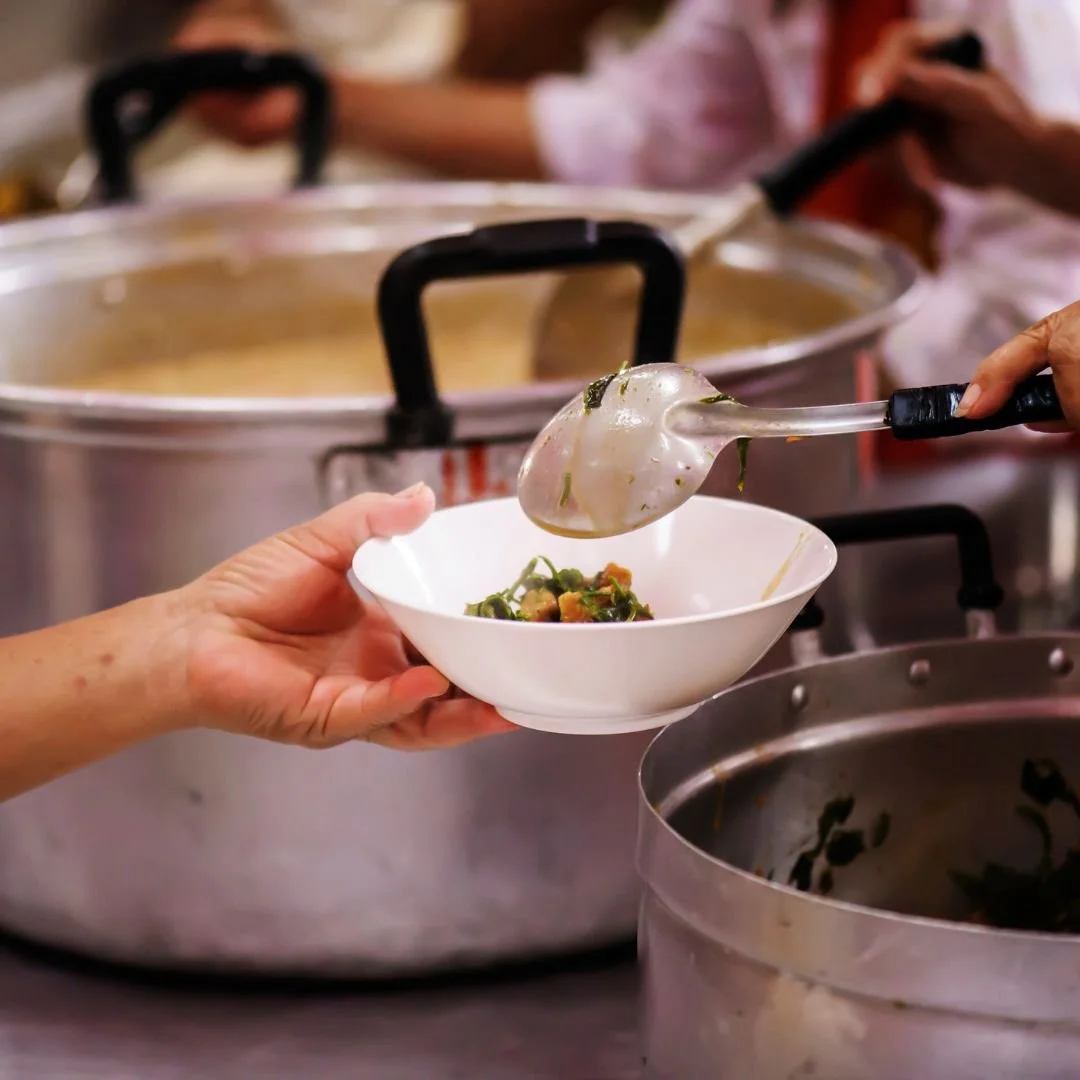
The disproportionate impact of hunger on women

It is often said that women are the ‘shock absorbers’ of poverty. More likely to live in poverty, managing tight budgets and going without to protect others from hardship. New research from the Trussell Trust has laid bare the scale of hunger across the country, the disproportionate impact it has on women and how we can change it.