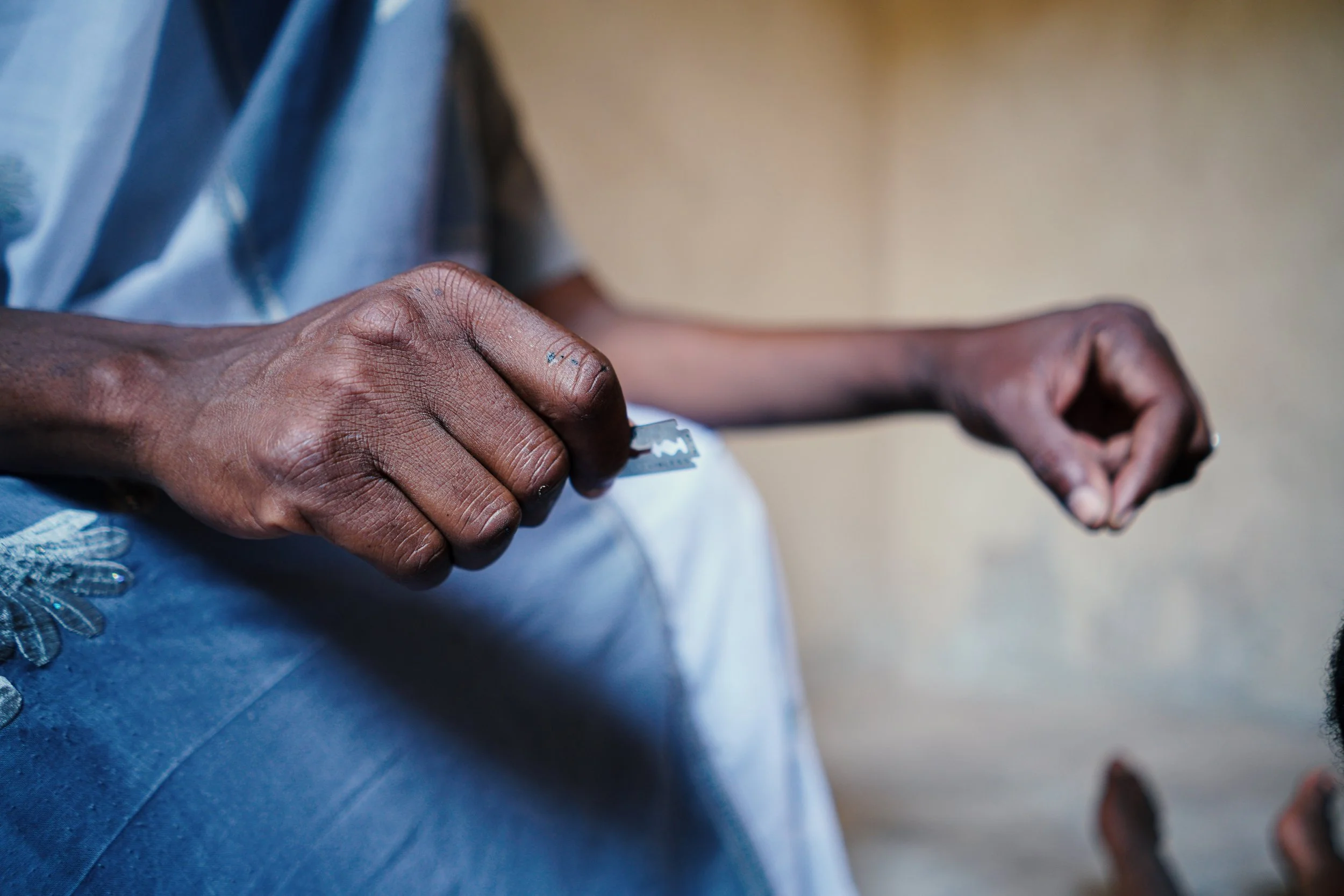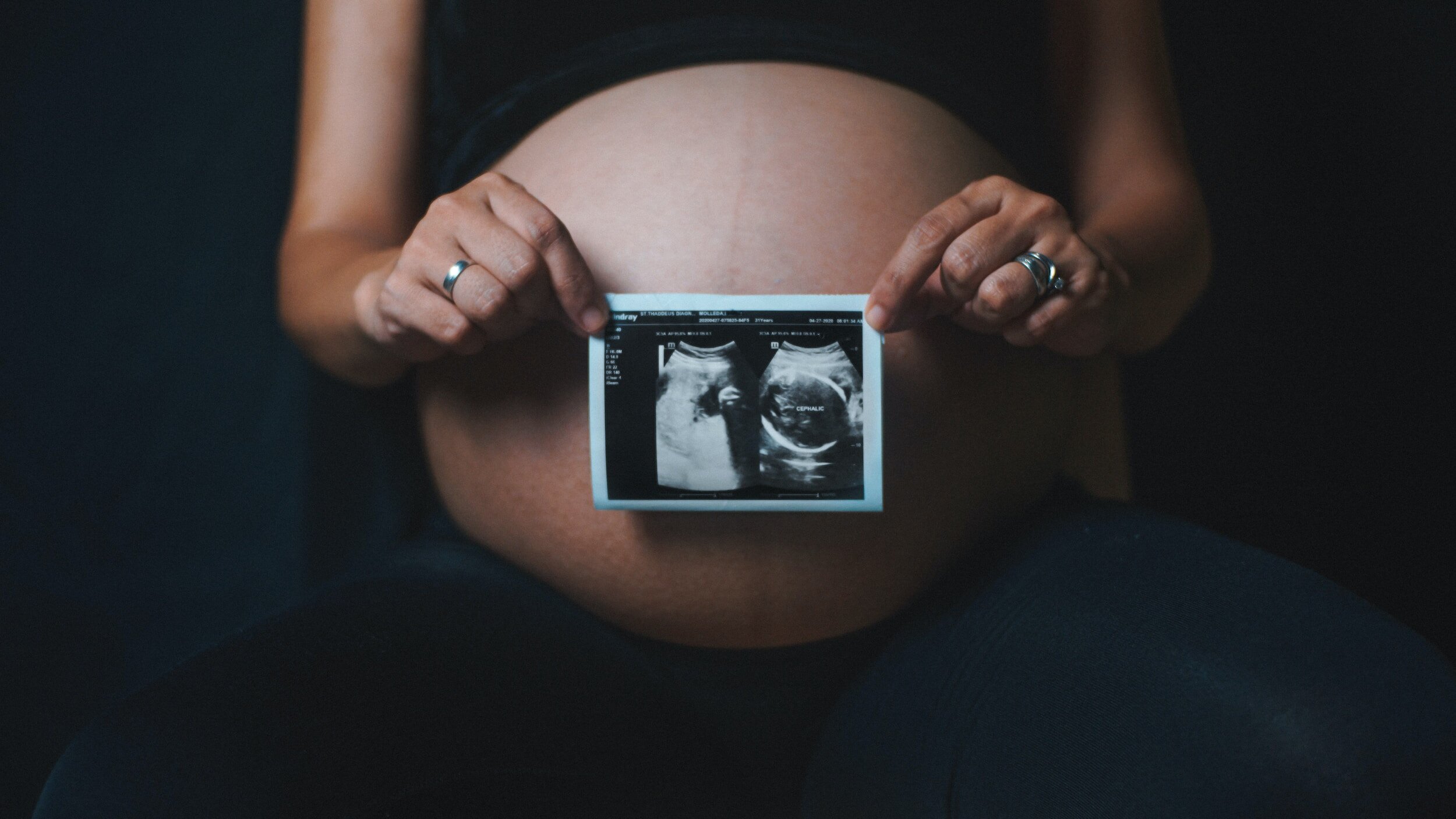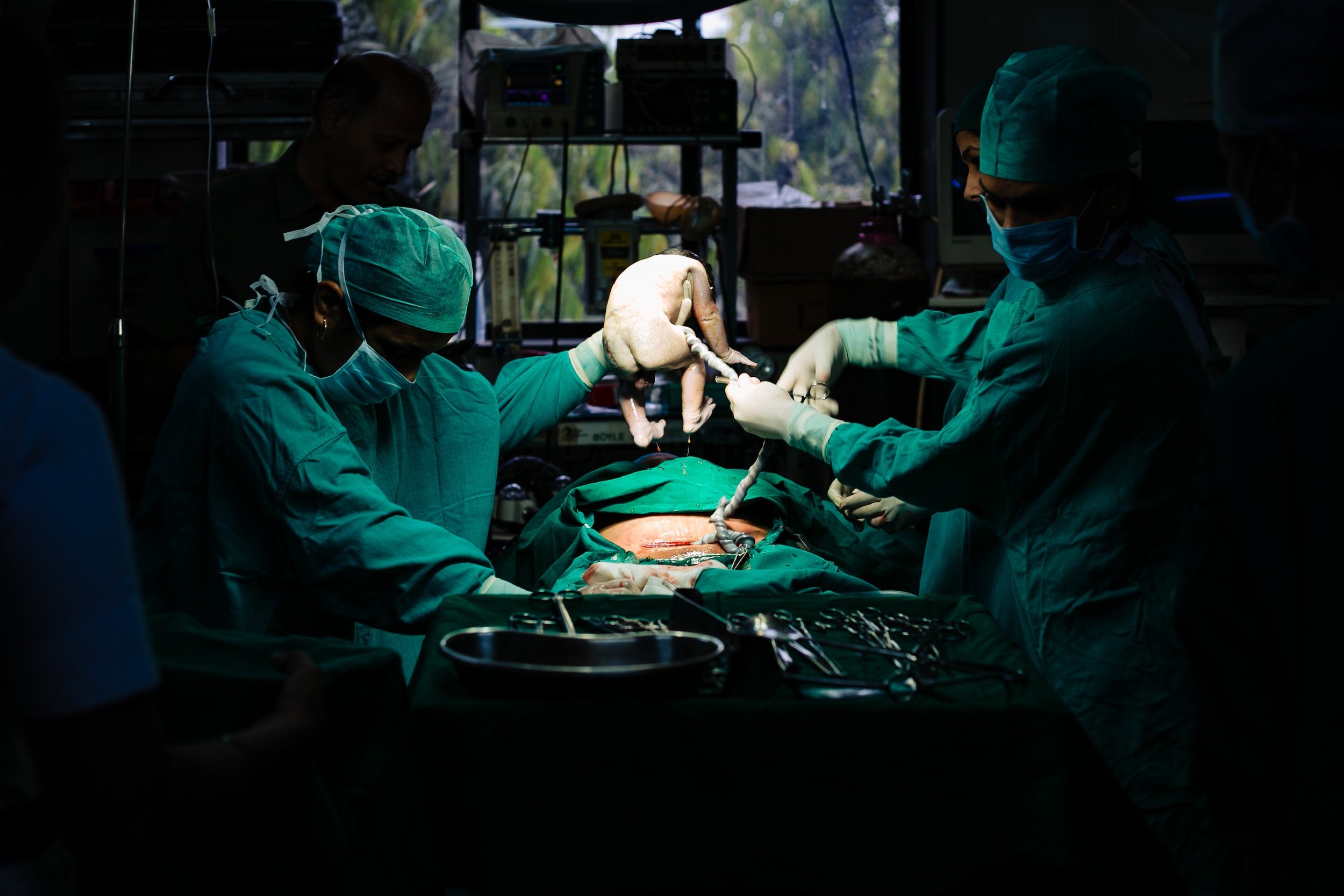
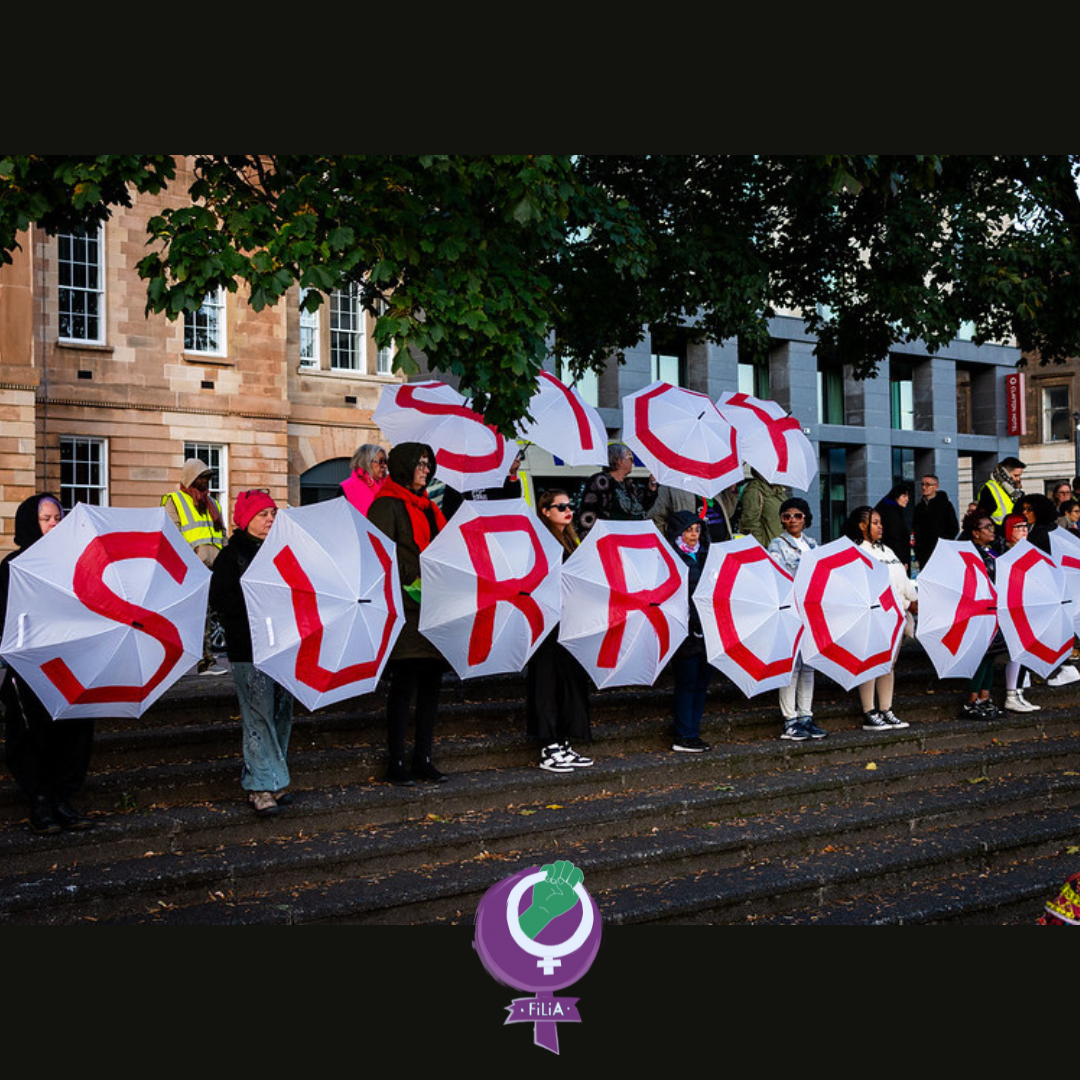
FiLiA has a lengthy history in highlighting the harms of surrogacy and egg donation on women and children, and also in supporting action and activism to address this violation of women's human rights. The FiLiA Women's Assembly, a growing network of women across the UK, recently arranged a focus group in order to respond to a new consultation on surrogacy. A consultation which signalled that the threat of surrogacy law reform, with a potential relaxation in the laws which govern this exploitative practice, persists. There is, however, a powerful, grassroots movement of women in FiLiA Women's Assembly mobilising resistance.
Learn about the causes we are fighting for and how you can get involved.
Narrow your search or read everything.
We all know how we got here. The failure of the left to address the gender identity activism gave this extraordinary open goal to the right. It was all predictable; we predicted it. Now we’re here.
This does not absolve us from thinking critically about the harmful consequences of working with Christian Right groups, including the ADF and the Heritage Foundation, which are coalition partners in Project 2025.
Kiri Tunks is a veteran trade union and women's rights activist @kiritunks
This blog is based on a speech made by Kiri Tunks on behalf of the FiLiA Trade Union Project at a Labour Women’s Declaration fringe at the 2024 Labour Party Conference in Liverpool. In it, Kiri argues that women need to be at the head and the heart of the labour and trade union movement.
Discussion on the harms of surrogacy in relation to the Global South and the developing world. The piece covers countries like India, Nepal, China and Ukraine and argues that the exploitation of women in surrogacy in this part of the world testifies to the inherently exploitative nature of surrogacy as an industry. Understanding what is happening in the developing world deepens feminist knowledge of the ethical problems with surrogacy.
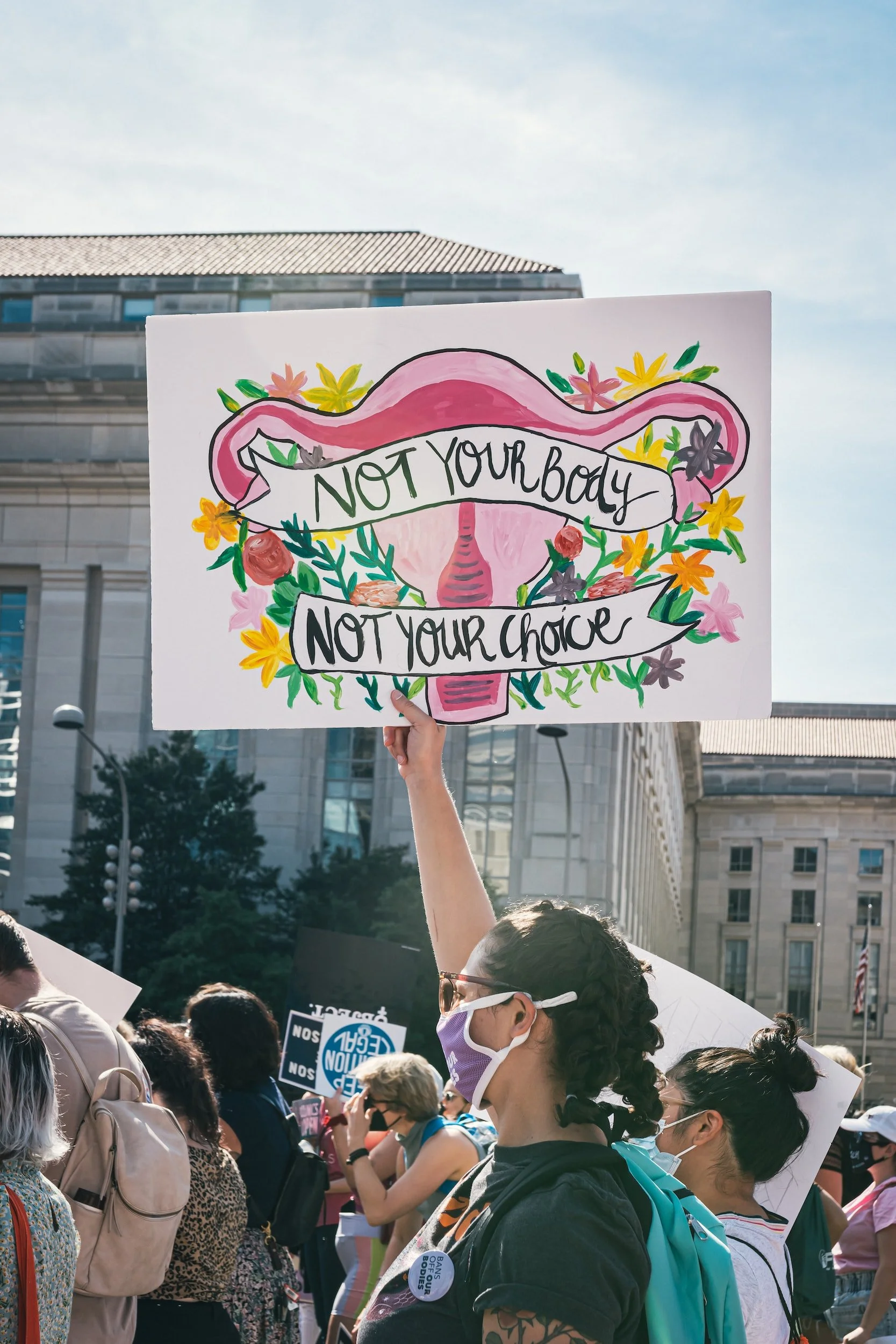
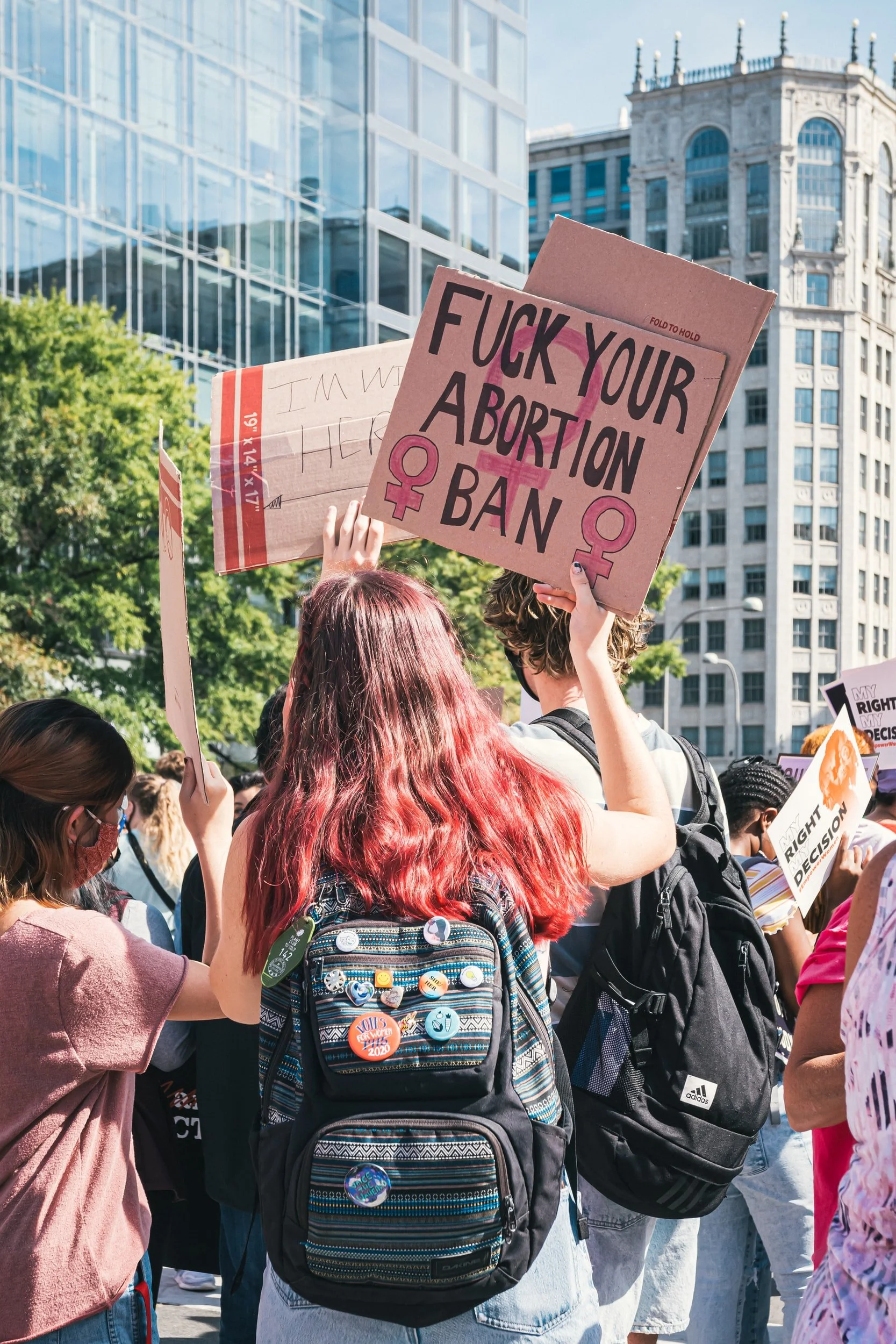
Halaleh Taheri, founder & executive Director of MEWSo looks at the right to access an abortion, a right that the women’s movement including British women, fought long and hard for over many decades and which is now under serious attack all over the world from America to Asia to the Far East, and even in Britain.
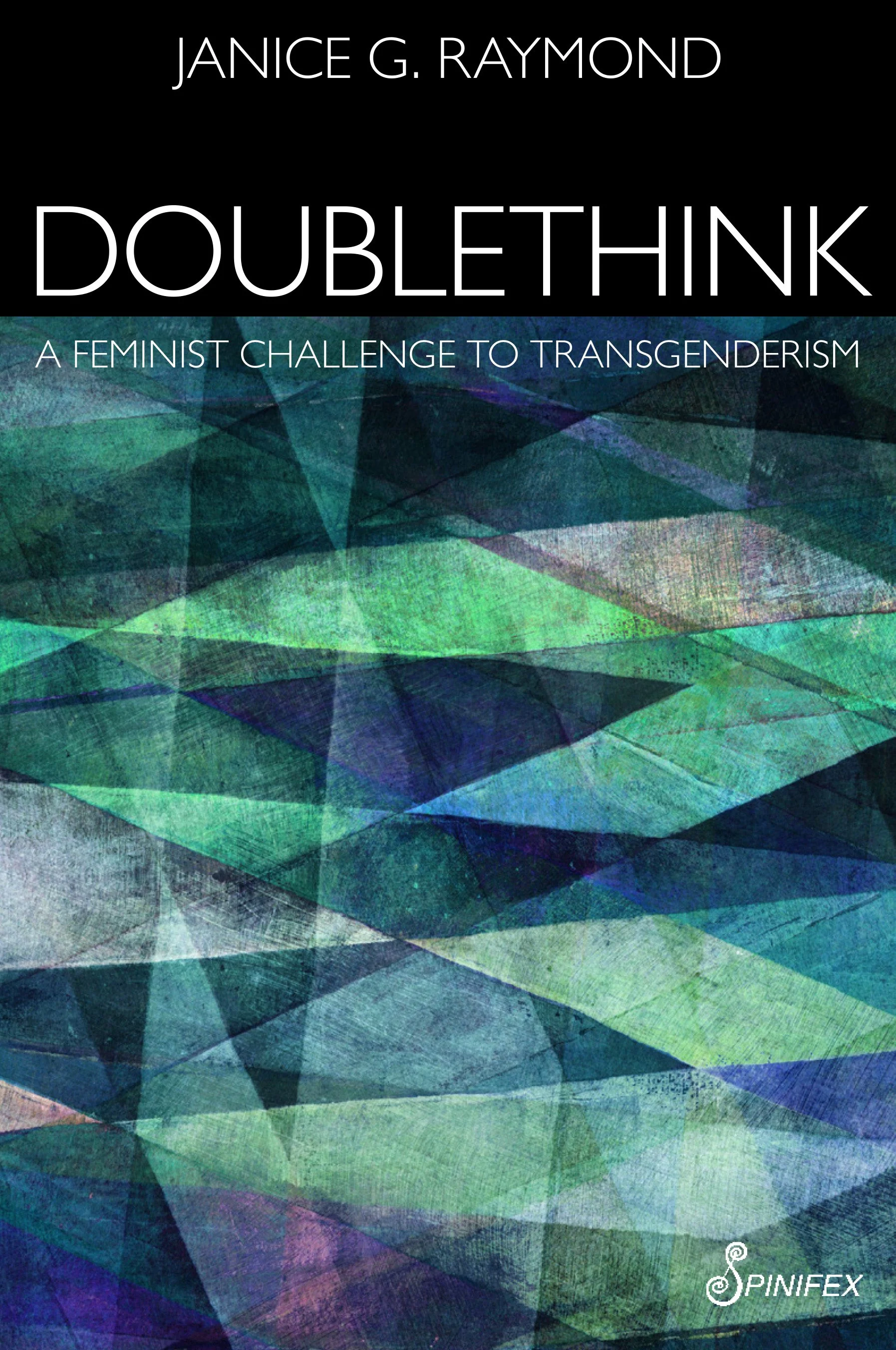
In this piece, FiLiA interviews leading feminist thinker, Janice Raymond, about her work on transgender issues and her new book Doublethink, which illuminates the “doublethink” of a transgender movement that is able to define men as women, women as men, he as she, dissent as heresy, science as sham, and critics as fascists.
Renata Klein from Spinifex Press introduces its new book ‘Not Dead Yet’, an anthology of feminist activism. The book passes on the exhilaration, stresses, anger and joy older feminists have experienced through their 40 or more years of feminist activism to the younger generation helping them to make sense of their past and present.
Halaleh Taheri from MEWSo discusses the Marriage and Civil Partnership (Minimum Age) Bill which will raise the minimum age of marriage and civil partnership from 16 to 18 in England and Wales. It will also include unregistered marriages and covers all children living in England and Wales, including those married overseas.
Three women from three different Abrahamic religions talk with host Gita Sahgal about their experiences growing up in and leaving fundamentalist expressions of faith. Yasmine Mohammed, an ex-Muslim; Frimet Goldberger, formerly an ultra-Orthodox Jew; and Alice Greczyn, an ex-evangelical Christian, share how their different stories overlap with common bonds. Unpacking how religion perpetuates patriarchy offers listeners firsthand accounts of why so many girls and women are leaving toxic faith behind.
Ann Henderson was the second female Rector at the University of Edinburgh. During her three-year tenure, she experienced sustained targeting by trans activist students and staff member, while receiving minimal institutional support. In this podcast, she speaks about her background as a campaigner in the labour movement, her work in the railway industry and her experiences leaving her mark in academia.